
How to Measure Digital Marketing ROI and Success in 2026
Imagine investing thousands of dollars in marketing every month, running ads, publishing blogs, optimizing your website, and posting on social media, but never truly knowing which effort is bringing you real customers.
That’s a problem many businesses face today.
In 2026, digital marketing is more data-driven than ever. Businesses are using advanced analytics, automation tools, and AI to track their marketing performance. But even with all these technologies, one question still matters the most:
Is your marketing actually generating revenue?
This is where digital marketing ROI becomes essential.
When you understand your ROI, you can clearly see what’s working, what’s not, and where your marketing budget should go next. Instead of guessing, you make smart, data-backed decisions.
At Artxpro Global, a leading Digital Marketing Agency in Texas, we help businesses turn marketing data into measurable growth. In this guide, we’ll show you exactly how to measure digital marketing ROI and success in 2026 using practical strategies and modern tools.
What is Digital Marketing ROI?
Let’s keep it simple.
When businesses invest in marketing, whether it’s SEO, paid ads, content marketing, or social media, the big question always comes up:
“Are these efforts actually bringing us revenue?”
That’s exactly what Digital Marketing ROI helps you understand.
Digital Marketing ROI (Return on Investment) shows how much value or profit your marketing campaigns generate compared to the amount you spend on them. Instead of guessing whether your campaigns are working, ROI gives you clear numbers to evaluate your marketing performance.
The general formula used to measure ROI is:
ROI = (Revenue Generated from Marketing – Marketing Cost) ÷ Marketing Cost × 100
Let’s imagine a simple scenario.
Your business invests $5,000 in digital marketing campaigns, including advertising, SEO, and content creation. After running those campaigns, you generate $20,000 in revenue from new customers.
That means your marketing is not just covering its cost, it’s producing a strong positive return.
But in 2026, measuring digital marketing success goes beyond just calculating sales numbers.
Modern marketing strategies also focus on several other indicators that contribute to long-term growth, such as:
- Lead generation from your website
- Customer acquisition through digital channels
- Increased brand visibility online
- Long-term customer relationships and lifetime value
Because marketing today involves multiple platforms and touchpoints, businesses rely on marketing performance metrics and advanced AI-powered marketing analytics to fully understand how their campaigns are performing.
In other words, digital marketing ROI is no longer just about how much you spend vs. how much you earn; it’s about understanding how every marketing effort contributes to your business growth.
Why Measuring Marketing ROI is More Important in 2026
Digital marketing has evolved dramatically over the past few years.
Customers now interact with brands across multiple platforms, including Google searches, social media, websites, emails, and even AI assistants.
Because of this, measuring marketing success has become more complex and more important.
Here’s why measuring digital marketing success in 2026 matters more than ever:
- Marketing budgets are growing: Companies are investing more money in digital marketing than in traditional advertising.
- AI-driven marketing is expanding: Businesses now rely on AI-powered marketing analytics to track performance and optimize campaigns.
- Competition is stronger: Your competitors are already analyzing their marketing data and improving their strategies.
- Customers have longer buying journeys: A customer may interact with your brand multiple times before making a purchase.
Without measuring ROI properly, businesses risk wasting marketing budgets and missing growth opportunities.
Key Metrics to Measure Digital Marketing Success
When measuring marketing performance, not all metrics are equally valuable.
Some metrics look impressive but don’t actually drive business growth. That’s why focusing on the right marketing performance metrics is essential.
Here are the most important metrics.
1. Conversion Rate
Conversion rate shows the percentage of website visitors who complete a desired action, such as filling out a form, booking a consultation, or making a purchase.
2. Customer Acquisition Cost (CAC)
Customer Acquisition Cost measures the cost of acquiring a single new customer through marketing and sales.
3. Customer Lifetime Value (CLV)
Customer Lifetime Value estimates the total revenue a customer generates for your business during the entire relationship with your brand.
4. Return on Ad Spend (ROAS)
ROAS calculates how much revenue you earn for every dollar spent on advertising campaigns like Google Ads or social media ads.
5. Website Traffic Growth
This metric tracks how your website traffic increases over time from sources like organic search, paid ads, social media, and referrals.
6. Engagement Metrics
Engagement metrics measure how users interact with your content, including time on page, bounce rate, shares, and comments.
How to Calculate Digital Marketing ROI Step-by-Step
Measuring ROI doesn’t have to be complicated.
To get started, let’s walk through a simple, step-by-step approach.
1. Step 1: Define Your Marketing Goals
Before measuring anything, you need clear goals.
Common marketing goals include:
- Increasing website traffic
- Generating leads
- Driving online sales
- Building brand awareness
Your goals determine which marketing performance metrics matter most.
2. Step 2: Track Your Marketing Costs
To properly measure ROI, you must track all marketing expenses, including:
- Advertising budgets
- Content creation costs
- Marketing tools
- Agency fees
Every dollar spent should be accounted for.
3. Step 3: Track Revenue from Marketing Campaigns
Next, determine how much revenue your marketing campaigns generate.
This can be done using tools like:
- Google Analytics
- CRM platforms
- Marketing automation software
These tools help identify which channels generate leads and sales.
4. Step 4: Calculate ROI
Once you have your revenue and cost data, apply the ROI formula.
This gives you a clear picture of which campaigns are profitable and which need improvement.
Best Tools to Track Marketing ROI in 2026
In 2026, businesses will rely heavily on marketing analytics 2026 technologies to measure performance accurately.
Some of the most powerful tools include:
1. Google Analytics 4
Google Analytics 4 helps businesses track website traffic, user behavior, and conversions, giving clear insights into how marketing campaigns contribute to revenue.
2. CRM Platforms
CRM platforms help you track leads, customer interactions, and sales, making it easier to connect marketing activities with actual business results.
3. Marketing Automation Tools
Marketing automation tools monitor email campaigns, lead nurturing, and customer journeys, helping businesses measure how marketing efforts move prospects toward conversion.
4. AI-Powered Analytics Tools
AI-powered analytics tools analyze large amounts of marketing data, identify trends, and provide predictive insights to improve campaign performance and ROI.
Channel-Wise Digital Marketing ROI Measurement
Not all marketing channels perform the same way, and that’s important to understand.
Each channel contributes to digital marketing success in a different way. Some deliver quick results, while others focus on long-term growth. That’s why businesses need different strategies to measure ROI across each marketing channel.
Let’s look at how ROI works for the most common digital marketing channels.
1. SEO ROI
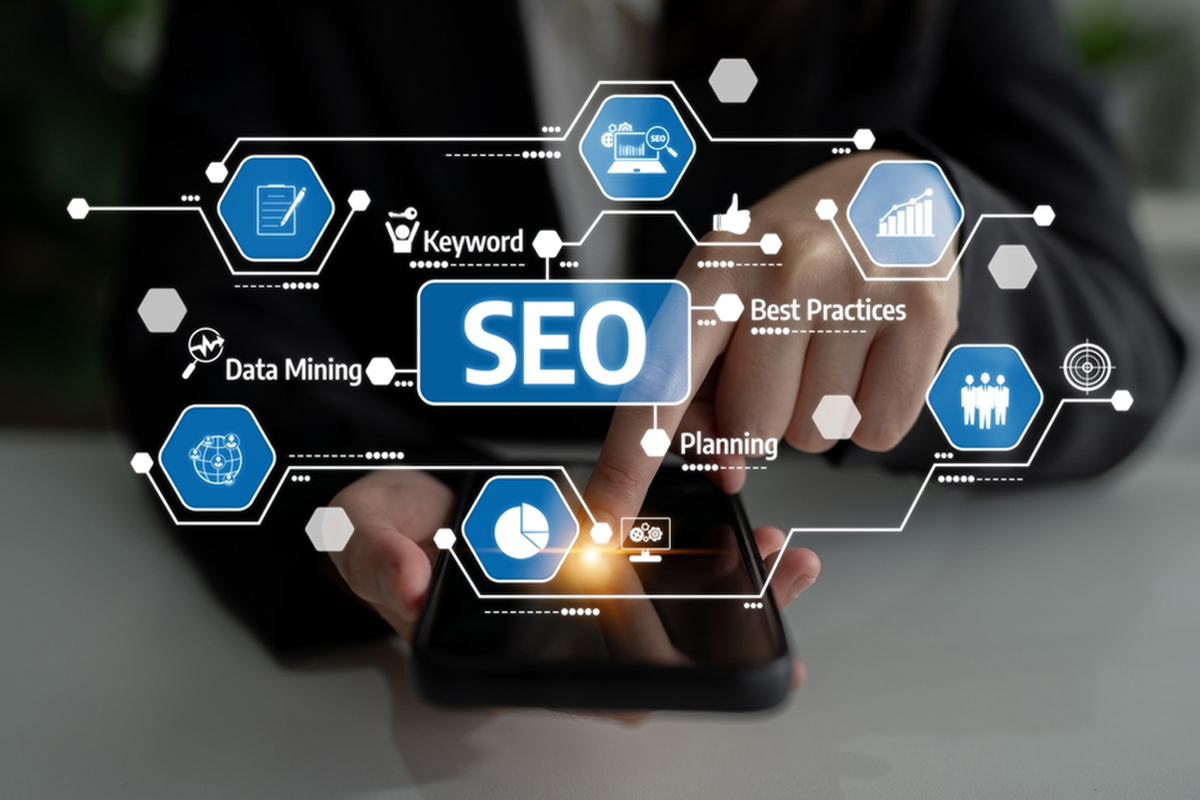
Search Engine Optimization is one of the most powerful long-term marketing investments. Unlike paid ads, SEO focuses on building consistent organic traffic from search engines over time.
When measuring SEO ROI, businesses usually focus on metrics such as:
- Keyword ranking improvements on search engines
- Growth in organic website traffic
- Leads or inquiries generated through search results
Because SEO requires strategy, technical expertise, and consistent optimization, many businesses choose professional SEO services in Texas to improve visibility and drive sustainable traffic growth.

2. Paid Advertising ROI
Paid advertising delivers faster visibility and can generate immediate leads or sales. However, the key to success is continuous monitoring and optimization.
To evaluate the performance of paid campaigns, marketers track metrics like:
- Cost per Click (CPC) : how much you pay for each visitor
- Conversion Rate : how many visitors take action
- Return on Ad Spend (ROAS) : how much revenue is generated from advertising investment
These numbers help businesses quickly identify whether their paid campaigns are profitable or need adjustment.
3. Social Media Marketing ROI
Social media platforms play a major role in building brand awareness and engaging with audiences. While the ROI may not always be immediate, social media often supports the overall customer journey.
Important performance indicators include:
- Engagement rates such as likes, comments, and shares
- Website traffic coming from social media platforms
- Leads or inquiries generated through social campaigns
Tracking these metrics helps businesses understand how social media contributes to their overall digital marketing ROI.

4. Content Marketing ROI
Content marketing focuses on educating, informing, and attracting potential customers through valuable content such as blogs, guides, and articles.
Instead of instant results, content marketing builds long-term authority and organic traffic.
Common metrics used to measure its success include:
- Blog and website traffic growth
- Search engine visibility and SEO performance
- Leads generated from content pages
Many successful businesses combine content marketing and SEO strategies. A reputable SEO services company in Texas commonly integrates both approaches to maximize visibility, drive targeted traffic, and support long-term digital marketing ROI.
Common Mistakes Businesses Make When Measuring ROI
Many businesses invest in digital marketing but still struggle to understand their true results because marketing data is often misinterpreted or incomplete.
Common mistakes include:
- Tracking vanity metrics like likes, impressions, or followers instead of focusing on metrics that directly impact revenue.
- Ignoring multi-channel attribution, even though customers usually interact with multiple marketing channels before making a purchase.
- Not tracking Customer Lifetime Value (CLV) can lead to underestimating the long-term impact of marketing campaigns.
- Measuring results too early, especially for strategies like SEO and content marketing, which require time to produce results.
- Having a lack of clear marketing goals makes it difficult to determine whether a campaign is actually successful.
Avoiding these mistakes helps businesses gain more accurate insights and improve their digital marketing ROI over time.
Future of Digital Marketing Measurement (2026 and Beyond)
The future of marketing measurement is becoming smarter and more automated.
Several trends are shaping marketing analytics 2026.
1. AI-driven marketing insights
AI tools analyze large data sets and uncover valuable patterns and insights that marketers might miss manually.
2. Predictive marketing analytics
Businesses can forecast future customer behavior and trends instead of relying only on past performance data.
3. Advanced customer journey tracking
Modern tools help businesses understand how customers interact with multiple channels before making a purchase.
4. Cookieless tracking
Due to increasing privacy regulations, marketers are adopting new tracking methods that do not rely on third-party cookies.
5. Automation in marketing reporting
Automated reporting tools simplify data analysis and provide real-time performance insights for faster decision-making.
Why Businesses Partner with Digital Marketing Agencies
Measuring marketing performance accurately requires expertise, technology, and strategic planning.
That’s why many businesses work with a professional digital marketing agency.
A trusted agency helps you:
- Track accurate marketing data
- Optimize campaigns for better performance
- Improve conversion rates
- Increase long-term ROI
At Artxpro Global, we help businesses across the United States analyze their marketing data and turn it into measurable growth.
As a leading Digital Marketing Agency in Texas, our strategies combine advanced analytics, SEO expertise, and AI-driven insights.
Turn Marketing Data into Business Growth
In today’s competitive digital landscape, marketing success is no longer based on guesswork.
Businesses that understand their digital marketing ROI can make smarter decisions, invest in the right strategies, and scale their growth.
By focusing on the right marketing performance metrics, using modern marketing analytics 2026 tools, and tracking real revenue impact, you can transform your marketing from an expense into a powerful growth engine.
The key is simple:
Measure what matters. Optimize what works. And keep improving your strategy.
Grow Your Marketing ROI with Artxpro Global
If you’re investing in marketing, you deserve to see real results, not just reports full of numbers.
At Artxpro Global, we help businesses turn marketing data into measurable growth, stronger visibility, and higher revenue. As a trusted Digital Marketing Agency in Texas, our team focuses on strategies that are built around performance, analytics, and long-term success.
Whether you need SEO services in Texas, advanced campaign tracking, or AI-powered marketing analytics, we help you understand exactly where your marketing dollars are going, and how to make them work harder for your business.
Ready to start making smarter marketing decisions?
Connect with Artxpro Global today, and let’s turn your digital marketing investment into measurable success.

Digital Marketing Specialist
With a solid 12+ year background in digital marketing, Danyal delivers blogs packed with timely insights, useful tips, and impactful stories. His writing style is engaging, informative, and always rooted in real-world value for businesses and readers. From breaking down SEO strategies to exploring ecommerce trends and keeping tabs on what’s going viral online, he keeps it fresh, fun, and totally binge-worthy. If it’s worth knowing in the digital world, Danyal’s already writing about it.
.webp)
A results-driven digital agency crafting bold strategies and creative solutions that help brands grow, connect, and thrive in today’s digital-first world.